
C8 Health provides instant access to information and automates manual workflows, enhancing operational efficiency through excellence in healthcare knowledge management.

Healthcare knowledge management is the practice of combining all the disparate resources relevant to any kind of medical organization into a unified digital platform. The primary benefits of having a healthcare knowledge management platform include:
When healthcare knowledge isn’t readily accessible to clinicians and support staff, there are consequences. Hospitals struggle to implement best practices, care delivery becomes inefficient and wasteful, and clinicians experience burnout. Moreover, care quality is compromised: 50% of medical professionals have witnessed subpar care due to poor knowledge access. Healthcare knowledge management platforms like C8 Health help organizations increase care consistency, improve operational efficiency and enhance team collaboration. The better access healthcare teams have to up-to-date resources, the better equipped they are to deliver higher standards of care.
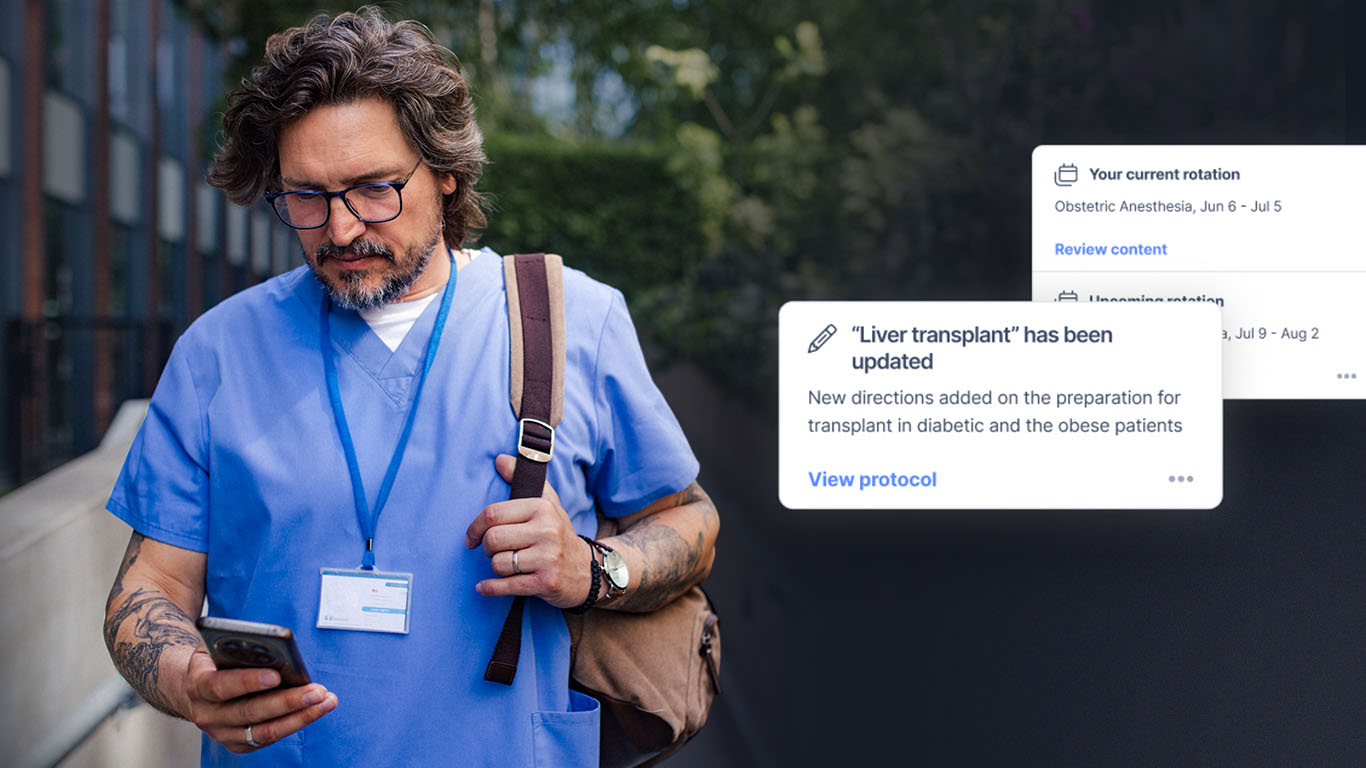
A healthcare knowledge management platform, sometimes called a knowledge management system (or KMS), centralizes all relevant clinical information and resources into a single, easily accessible digital platform. This system categorizes and organizes vast amounts of information, including treatment protocols, research papers, clinical guidelines, policies, and educational resources.
Knowledge management platforms like C8 Health also allow for push-based delivery of JIT knowledge to care providers, along with version control to ensure that outdated documents are flagged or removed while current best practices and standards remain accessible.
C8 Health also offers AI-powered search functions and automated workflows to streamline information retrieval further, helping healthcare professionals make informed decisions at critical moments.
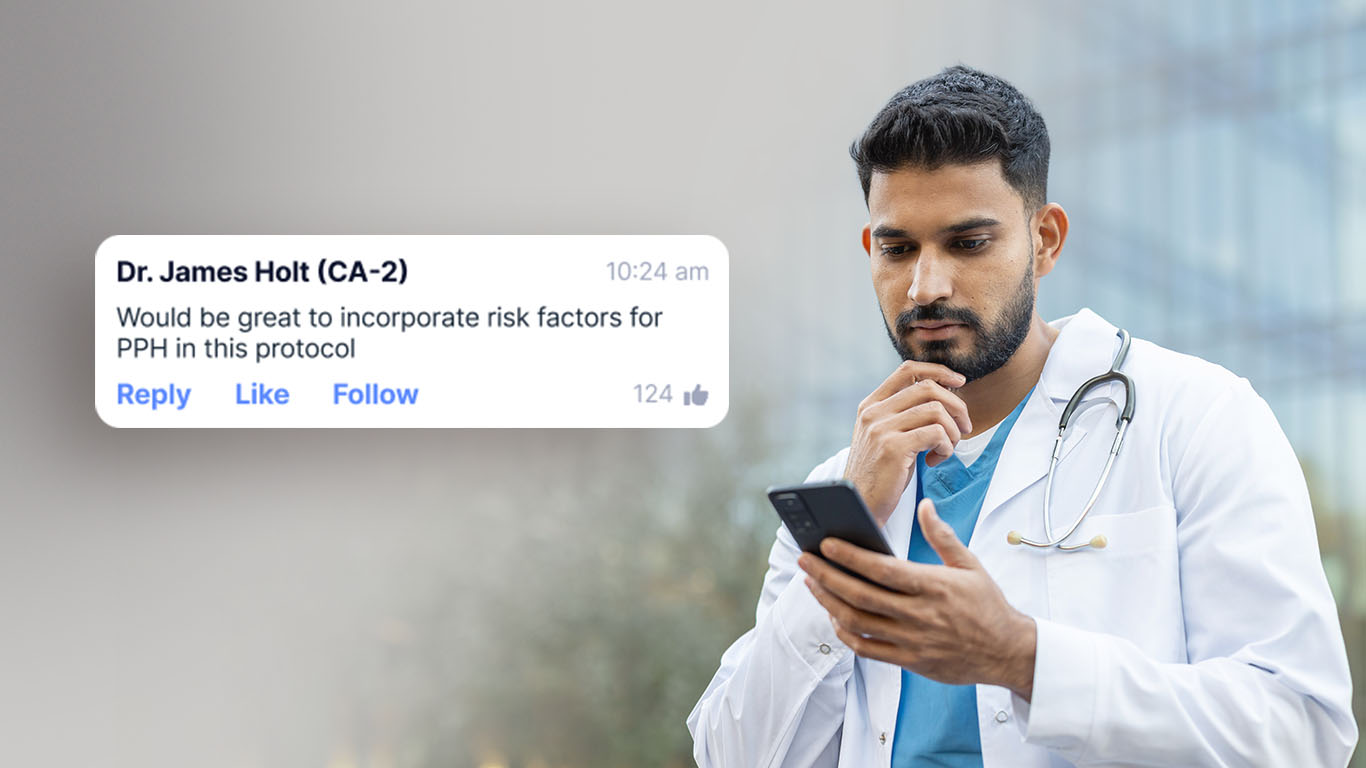
Below are just a few examples of how healthcare knowledge management platforms help care teams achieve clinical excellence:
These and other use cases allow clinicians and support staff to deliver a higher standard of care and increase patient satisfaction.






For our report on The State of Knowledge Management in Hospitals, we surveyed nearly 400 medical professionals to take the industry’s temperature regarding the relationship between knowledge access and patient outcomes.
Almost half of respondents said poor access to information led to subpar care at their institutions. They also reported that in critical cases, one in three incidents of subpar care led to patient injury or death. In healthcare, limited access to accurate and up-to-date knowledge can be fatal.
Learn how healthcare professionals can improve patient outcomes by implementing robust knowledge management systems in the free report.

“C8 was already the center of our department’s daily workflow. Adding daily, provider‑level quality metrics into the same app has been invaluable for us...In just three months, we increased perioperative glucose management compliance from ~72% to more than 81%.”

.svg)

